Forest & Grassland Fire Control — Solution Details
Pain Points in Forest and Grassland Fire Prevention
Forest areas are often mountainous with steep slopes and poor accessibility, requiring firefighters to hike with heavy loads to reach the fire line. Surface fires and crown fires spread alternately, demanding lightweight equipment, sustained operational capability, and strong personnel protection.
Recommended Configuration: Integrated Individual + Water Delivery + Protection
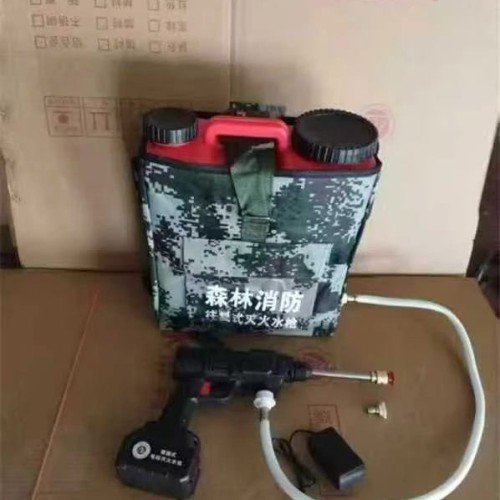
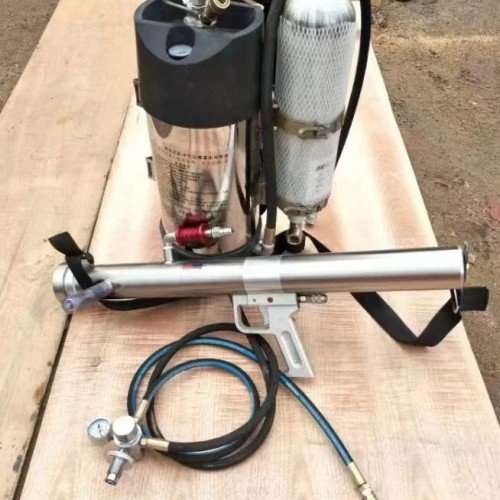
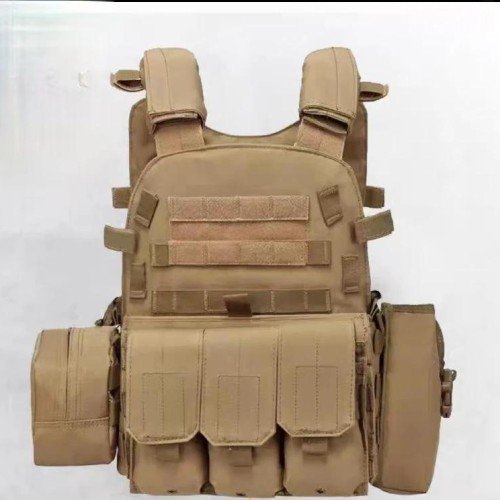
At the individual level, equip with electric reciprocating water guns and pneumatic extinguishers. For water delivery, use forest fire hose packs with quick couplings for stable long-distance water supply. For protection, provide flame-retardant combat suits and tactical vests. These three layers form a complete firefighting capability.

Selection and Implementation Points
Prepare an equipment list based on the area of forest under jurisdiction, crew size, and local fire prevention requirements. Verify product standards and test reports. After delivery, organize hands-on training and regular drills.
Expected Results
Improved response speed and sustained firefighting capability of the crew, compliant equipment acceptance, complete records, and readiness for the fire prevention season.