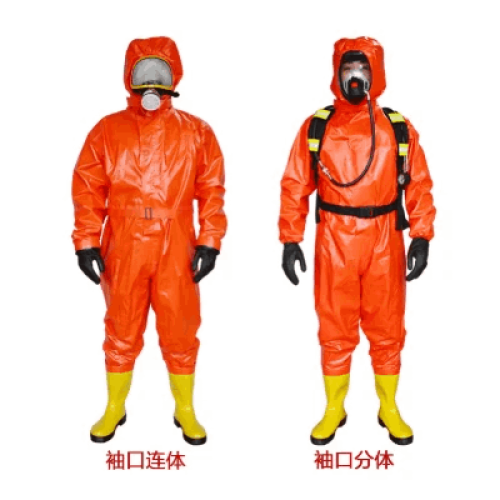
Light Chemical Protective Suit

Light Chemical Protective Suit

Lightweight splash-proof chemical suit for hazard mitigation and decon operations.

The light chemical protective suit complies with industry regulations and relevant safety standards for emergency rescue chemical protective equipment. It has passed professional chemical protection testing, ensuring reliable quality and protective performance. It is essential protective gear for emergency rescue personnel handling low-concentration chemical hazards and hazardous chemical leaks, balancing protection and wearing comfort.

The product is made of specialized chemical protective fabric, featuring acid and alkali resistance, chemical splash resistance, waterproof and stain-resistant properties. It effectively resists low-concentration corrosive liquids, chemical dust, and harmful aerosols, protecting the torso and limbs of rescue personnel. The fabric is lightweight and breathable, preventing stuffiness during rescue operations, while also offering a certain degree of abrasion and tear resistance, suitable for complex rescue scenes. The one-piece design, combined with sealed zippers, Velcro cuffs, and pant legs, enhances sealing and protection, preventing chemical penetration. The collar can be used with protective masks or gas masks for full protection. The overall lightweight design allows for easy donning and does not restrict rescue movements, making it suitable for chemical spill disposal, hazardous chemical inspections, contaminated area rescue, emergency response, and other rescue scenarios, providing reliable chemical protection for rescue personnel and ensuring rescue safety.
Technical Specifications (Selection Reference)

Values are industry-standard ranges; final configuration subject to scheme design.

Specifications

StandardComplies with industry standards for emergency rescue chemical protective equipment and relevant chemical protective safety standards
Product CategoryLight chemical protective suit (one-piece), split-type light chemical protective suit (optional)
Core Parameters1.
FabricSpecial chemical protective fabric, resistant to acid and alkali, chemical splash, breathable and waterproof, abrasion-resistant and tear-resistant, thickness 0.15-0.2mm 2.
StyleOne-piece coverall with attached hood, sealed zipper with Velcro storm flap, adjustable cuffs and ankle closures 3.
Protective PerformanceProtects against low-concentration acids and alkalis (pH 2-12), chemical splash, water and dirt resistant, impermeable to harmful chemicals 4.
SizesSizes S-XXL, fits various body types of emergency rescue personnel, unisex 5.
WeightSingle suit weight ≤1.5kg, lightweight design for comfortable wear 6.
Environmental AdaptabilityCan be used normally at -10℃~+45℃, resistant to aging and wear.
General ParametersService life ≥2 years (based on frequency of use), easy to clean, reusable (provided it meets protective standards), available from stock, customizable, suitable for various emergency chemical protection scenarios.

Certification: Test Report, Factory Certificate of Conformity · Customization (explosion-proof, anti-corrosion etc.) available

Product Details

The light chemical protective suit complies with industry standards for emergency rescue chemical protective equipment and relevant safety standards. It has passed professional chemical protection testing, ensuring reliable quality and adequate protection. It is essential protective equipment for emergency rescue personnel when dealing with low-concentration chemical hazards and hazardous chemical leaks, balancing protection and wearing comfort. The product is made of specialized chemical protective fabric, offering resistance to acids, alkalis, chemical splashes, water, and dirt. It effectively shields against low-concentration corrosive liquids, chemical dust, and harmful aerosols, protecting the torso and limbs of rescue personnel. The fabric is lightweight and breathable, reducing stuffiness and discomfort during rescue operations, while also providing certain abrasion and tear resistance suitable for complex rescue scenes. The one-piece design, combined with sealed zippers, Velcro cuffs, and ankle closures, enhances sealing and prevents chemical penetration. The collar can be used with protective masks or respirators for full protection. The overall lightweight design facilitates easy donning and does not hinder rescue movements, making it suitable for various emergency rescue scenarios such as chemical leak response, hazardous chemical inspection, rescue in contaminated areas, and emergency handling. It provides reliable chemical protection for rescue personnel, ensuring operational safety.

Instructions for Use and Operating Procedures: Storage and Maintenance - Store in a dry, ventilated, cool, and shaded place, away from high temperatures, humidity, open flames, and chemical agents. Avoid direct sunlight, crushing, and fabric aging or degradation of sealing performance. - Regularly inspect the chemical protective suit for damage or scratches, check that the sealed zippers are smooth and well-sealed, and that Velcro fasteners are intact. Repair or replace promptly if issues are found. - Designate personnel for safekeeping, store in designated areas of the emergency rescue equipment warehouse, arrange by category, maintain usage logs, and strictly prohibit random placement, lending, or use for non-rescue purposes. Installation and Deployment - No complex installation is required; it can be worn immediately after unpacking. Before wearing, check the integrity of the equipment and use it with protective masks, respirators, chemical gloves, and chemical boots for complete protection. - Before rescue operations, check the sealing performance of the suit. After donning, inspect the zippers and Velcro closures to ensure they are secure and gap-free to prevent chemical penetration. Operating Steps 1. Donning Procedure: First put on chemical boots and gloves, then wear the one-piece suit, close the sealed zipper, tighten the Velcro cuffs, ankle closures, and collar, and put on the protective mask or respirator, ensuring a proper seal. 2. Operational Use: During rescue operations, strictly operate within the protected area, avoid contact with high-concentration chemicals. If the suit becomes contaminated, clean it promptly; if damage is found, evacuate the scene immediately. 3. Doffing and Cleaning: After the rescue, doff the suit in a safe area following procedures, avoiding contact with contaminated surfaces. Clean with specialized detergent, rinse thoroughly with clean water, air dry in a ventilated area, and fold neatly for storage. 4. Maintenance Operations: Regularly inspect the protective performance of the suit, apply lubricant to sealed zippers periodically, and promptly repair any fabric damage. If the protective performance is found to be substandard during testing, replace the suit immediately. Safety Precautions - Only for emergency rescue personnel handling low-concentration chemical hazards and emergency rescue; strictly prohibited for use in high-concentration chemical leaks or with highly corrosive substances. - When wearing, ensure all sealing parts are secured and use with corresponding protective equipment (mask, gloves, boots) to avoid protection gaps. - If the suit is found to be damaged or permeated during rescue operations, stop work immediately, evacuate to a safe area, and replace with a new suit before continuing. - The suit must be regularly tested for protective performance. If aged, damaged, or chemically contaminated beyond cleaning, it must not be used. Rescue personnel must be proficient in donning, doffing, and maintenance, and strictly follow the emergency rescue chemical protective equipment usage specifications. Service Hotline: 130-6003-1111

Applications

1. Chemical Leak Response: When low-concentration acids, alkalis, organic solvents, or other chemicals leak, wear the chemical protective suit to control and clean up the leak, protecting the body from chemical harm. 2. Hazardous Chemical Inspection: When emergency rescue personnel conduct hazard inspections in chemical parks, warehouses, and other areas, wearing the suit ensures their safety. 3. Rescue in Contaminated Areas: At scenes with chemical contamination or toxic dust leaks, wear the suit for personnel search and rescue and on-site handling, isolating harmful substances. 4. Emergency Response: In sudden chemical incidents (such as small chemical leaks or container breaches), quickly don the suit to handle the situation and prevent hazard spread. 5. Routine Drills: Emergency rescue teams conduct chemical rescue drills simulating chemical leak scenarios to improve personnel proficiency in donning and emergency response capabilities. 6. Outdoor Emergency Duty: For outdoor emergency duty near hazardous chemical storage areas or chemical enterprises, wear the suit to respond to sudden chemical hazards.

After-sales Policy

Nationwide direct logistics delivery; acceptance documents are handed over with the goods. Warranty and after-sales terms are subject to the supply contract. Government and enterprise group purchases are supported. For details, call for consultation.

Other Products

📧 Email Us